The Evolution of Digital Wagering: Navigating Modern Online Gaming
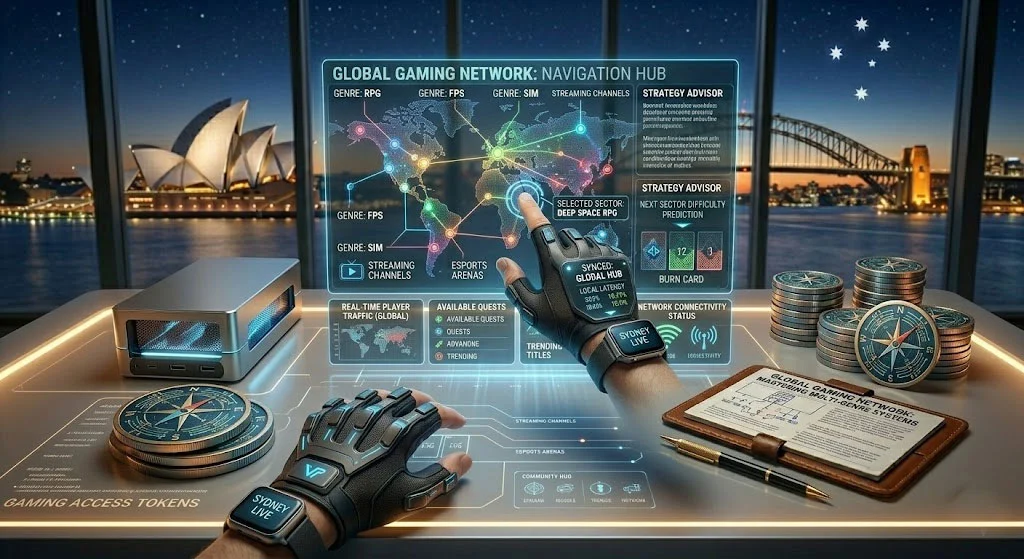
Central to this transformation is the sophisticated world of digital wagering. As technology has advanced, the barriers between traditional brick-and-mortar establishments and home-based entertainment have dissolved, giving rise to an era where high-stakes excitement is available at the touch of a button.
The Technological Foundation of Trust
In the early days of the internet, the primary concern for any user engaging in financial transactions was security. For the gaming industry to thrive, developers had to pioneer rigorous encryption standards and transparent auditing processes. Today, the most reputable platforms utilize 256-bit SSL encryption—the same level of security employed by major global banking institutions.
Beyond simple data protection, the introduction of Random Number Generators (RNGs) changed the perception of fairness. These complex algorithms ensure that every spin of a reel or deal of a card is entirely independent of previous results. This mathematical integrity is regularly verified by third-party agencies, providing players with the peace of mind that the digital “house” is operating within strictly regulated parameters.
The Rise of Specialized Gaming Platforms
As the market matured, users began to look for more than just a wide selection of games; they sought out curated experiences that prioritized user interface and fast withdrawal speeds. This demand led to the emergence of specialized portals designed to cater to both high-rollers and casual enthusiasts alike. Navigating a stellarspins real money casino interface, for instance, reveals how modern platforms use intuitive design to help players find specific categories—ranging from high-volatility slots to live-streamed table games—without overwhelming the senses.
The integration of “Live Dealer” technology has been perhaps the most significant bridge between the physical and digital worlds. By using high-definition cameras and low-latency streaming, platforms can now broadcast a professional dealer in real-time. This allows players to interact with the dealer and other participants, recapturing the social atmosphere of a physical floor while maintaining the convenience of remote access.
Diversification of the Gaming Portfolio
Modern platforms are no longer limited by physical floor space, allowing them to host thousands of different titles simultaneously. This diversification has led to several distinct categories that dominate the current market:
- Video Slots: These have evolved from three-reel machines into cinematic experiences with complex storylines, “megaways” mechanics, and tiered bonus rounds.
- Table Games: Digital versions of Blackjack, Baccarat, and Roulette remain staples, often appearing in dozens of variants (such as European vs. American Roulette) to suit different player preferences.
- Instant Win Games: Scratch cards and “Crash” games have gained popularity among mobile users who prefer quick, high-intensity sessions that fit into a few minutes of downtime.
The Importance of Responsible Interaction
With increased accessibility comes a greater responsibility for both operators and players. The most successful modern platforms are those that actively promote healthy gaming habits. Features such as deposit limits, “cool-off” periods, and reality checks—which remind players how long they have been active—are now industry standards.
Education plays a vital role in this ecosystem. Understanding the “Return to Player” (RTP) percentages and the volatility of different games allows users to make informed decisions. When players view these platforms as a form of paid entertainment rather than a reliable source of income, the sustainability of the industry is preserved.
Conclusion
The digital gaming world continues to innovate at a staggering pace. From the early days of basic web-based slots to the current era of immersive live-dealer experiences and mobile-optimized interfaces, the focus has remained on providing a secure, fair, and engaging environment. As virtual and augmented reality begin to make their way into the mainstream, the next chapter of this evolution promises to be even more immersive, further blurring the lines between reality and the digital frontier.